Shoes Are the Foundation. Everything Else Is Where You Go.
We have quietly started gathering.
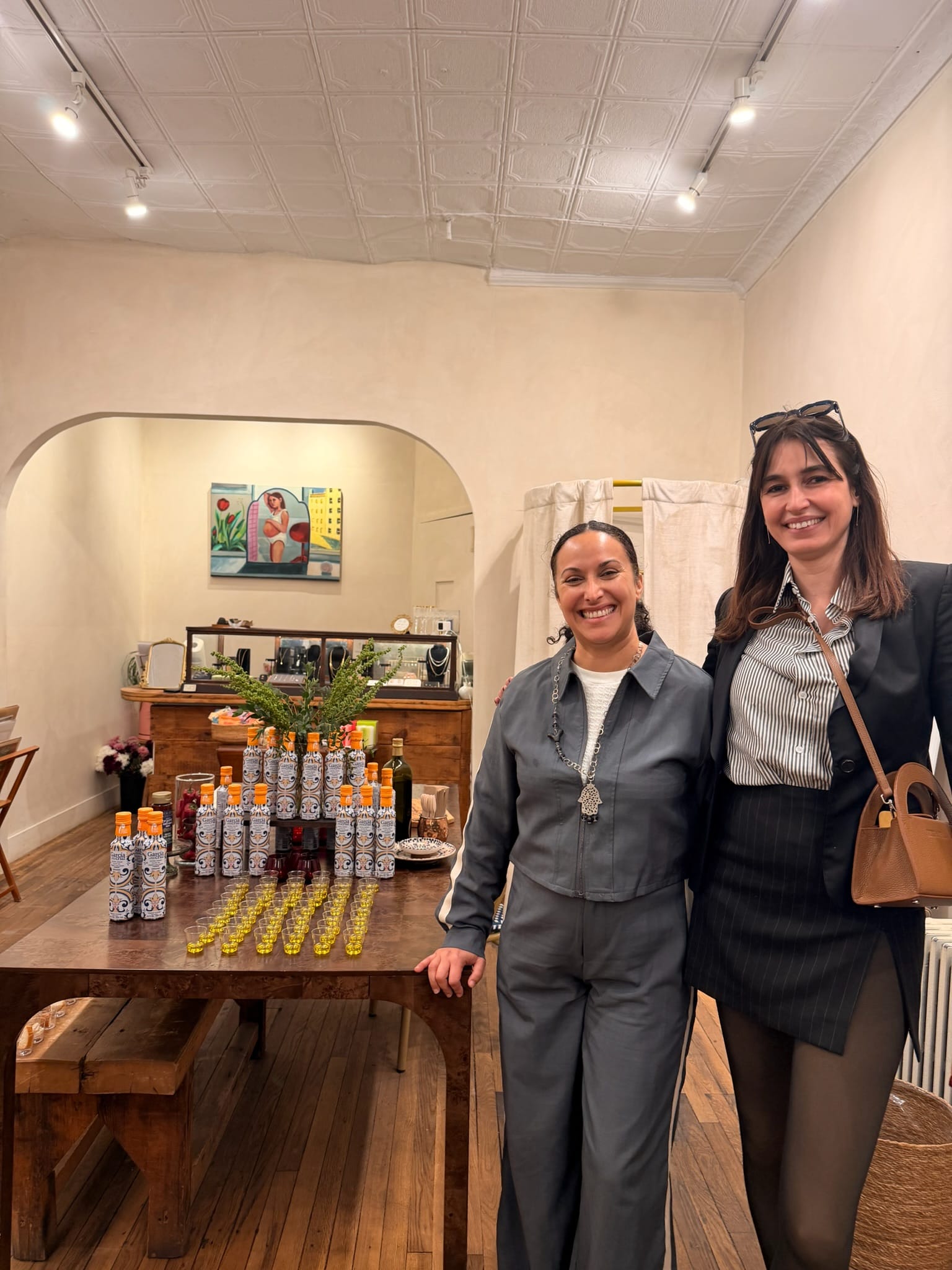
Small evenings, intentional, in real rooms with real people, around subjects that matter to us. The first was about olive oil. Not because we needed a reason to get together, but because we believe that what you put in a room shapes what happens there. And olive oil, as it turns out, is an extraordinary thing to put in a room.
Here is why we started, and what we learned.
Why real life
There is a frustration that comes with being a brand that exists mostly online. No matter how carefully we photograph our shoes — the leather, the sole, the weight of them — a screen flattens everything. We call it the Cinderella moment: when someone slips on a pair of OSAY shoes in person for the first time, expecting something beautiful and finding something comfortable. Their face changes. That moment is impossible to replicate online. The human exchange at the heart of what we do is stubbornly, wonderfully analog.
So we decided to lean into it. Not just through shoes, but through gathering — through the particular kind of learning that only happens when someone puts something in your hand and says: smell this. Wait. Do you feel that?
Ayoon, and Afrah
Our first evening took place at Ayoon in Brooklyn, one of our most valued collaborators. Ayoon was built by Afrah, a Yemeni American who spent years working as a humanitarian across the world and brought everything she encountered back to her own neighborhood. What she created is deeply local and entirely worldly at the same time. Every object chosen with a quality of attention that is rare and immediately felt. It is exactly the kind of space we want to be in.
Soraya Hosni, and what olive oil taught us about paying attention
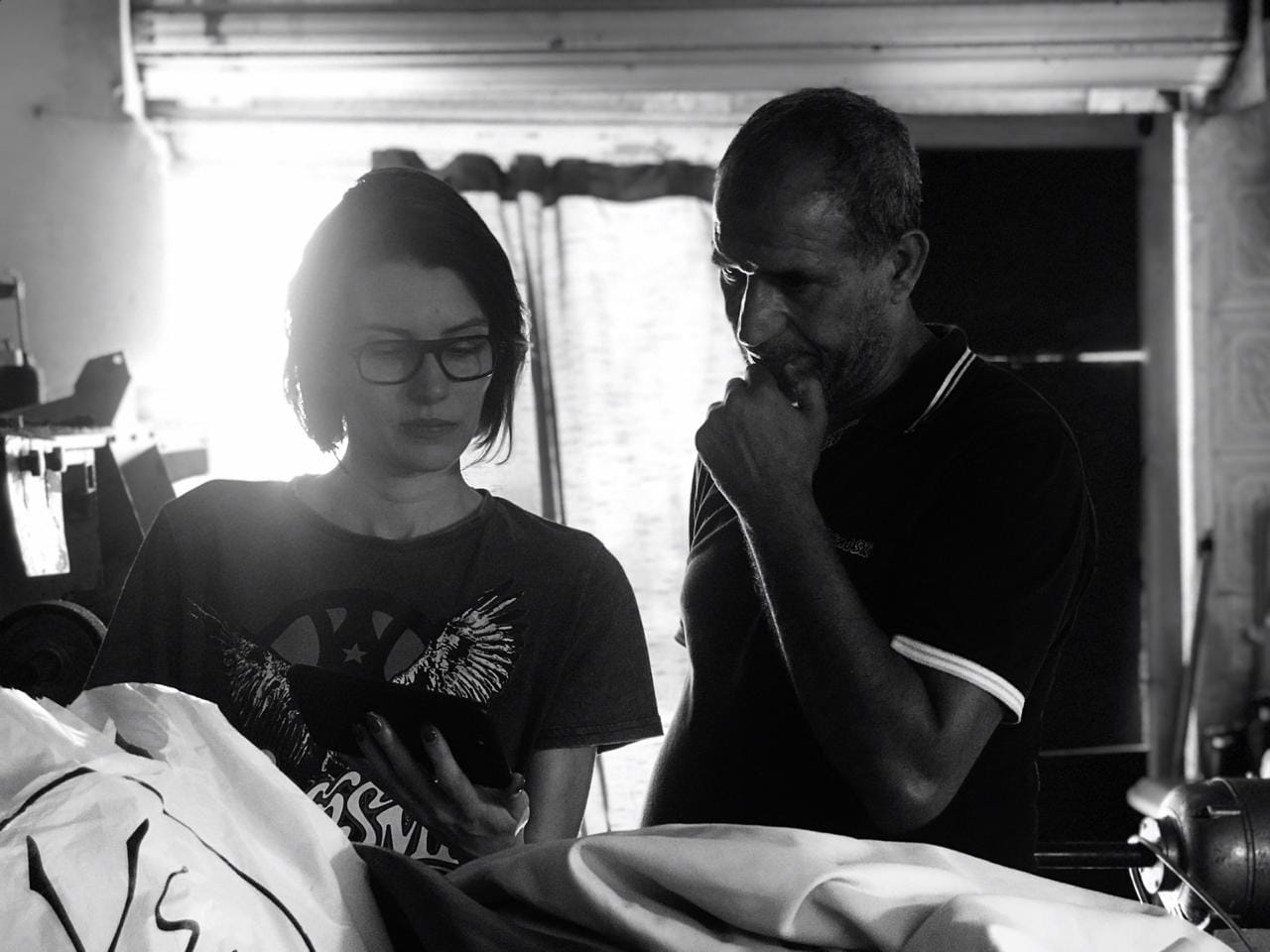
Our guide was Soraya Hosni, certified olive oil sommelier, anthropologist, entrepreneur, founder of a cultural event space, and a friend. She led a room of people from across New York through a proper tasting. Colored cups so no one could be biased by appearance. Oil warmed slowly in the palm. And then: pay attention.
What great olive oil actually is, and how to find it
Aroma
The first thing a sommelier assesses is how far the scent travels. A good oil smells alive — ripe tomato, fresh grass, stone fruit, herbs. Anything that smells stale, musty, or like something forgotten at the back of a cupboard signals a defect. Defects can come from climate — drought stresses the trees and shows up in the oil as dry wood. They can come from processing — high heat produces rancidity. They can come from storage and transport. At every touchpoint between grove and kitchen, something can go wrong. Trust your nose first.
Bitterness and pungency
The bitterness on the tongue and the slow heat that arrives at the back of the throat are not flaws. They are polyphenols — antioxidants. The healing properties. The reason olive oil has been medicine for millennia. If an oil has no bitterness and no spice, it has no polyphenols. It is still oil. It is simply not medicine. The spice takes time to arrive — it is not immediate. Wait for it.
Astringency
The best olive oil feels almost dry in your mouth. Counterintuitive for something that is, literally, oil — but that dryness is the antioxidants at work. Once you feel it, it becomes the standard. You will not settle for less.
What the label doesn’t tell you
Most of what reaches supermarket shelves is a blend — mild Tunisian oil, abundant Spanish oil, sometimes Italian oil from previous harvests. Italy does not produce enough for Italy, let alone the world. Blending is not always deception — it is often the industry managing drought, yield, and shelf life simultaneously. But it means the label “extra virgin” tells you something, not everything. Color tells you nothing at all. Your senses tell you the rest. Taste your oil before you cook with it. Open it like a bottle of wine.
The four enemies: light, heat, oxygen, time
Buy small bottles. Store in the fridge. Use it at its best — extra virgin olive oil has a shelf life of about two years from harvest. After that, it is still oil. It is just no longer what it was.
We left that evening with something we hadn’t arrived with, not information, but knowledge. The kind that lives in the body rather than the mind. In the mouth, in the hands, in the way you will never stand in a supermarket aisle the same way again.
That is what we came for. That is what we will keep building.
What’s next
More evenings are coming. Our next gathering centered on women’s health — we’ll share that conversation here soon.
With love,
Kenza